DevOps gets mentioned a lot in conversations about modern software development, but the word is used loosely enough that its meaning often gets lost. It is not a tool you install, a role you hire for, or a methodology you adopt in a single sprint. It is a fundamental shift in how development and operations teams work together — and when it is done well, the results are visible across the entire business.
Collaboration That Actually Works
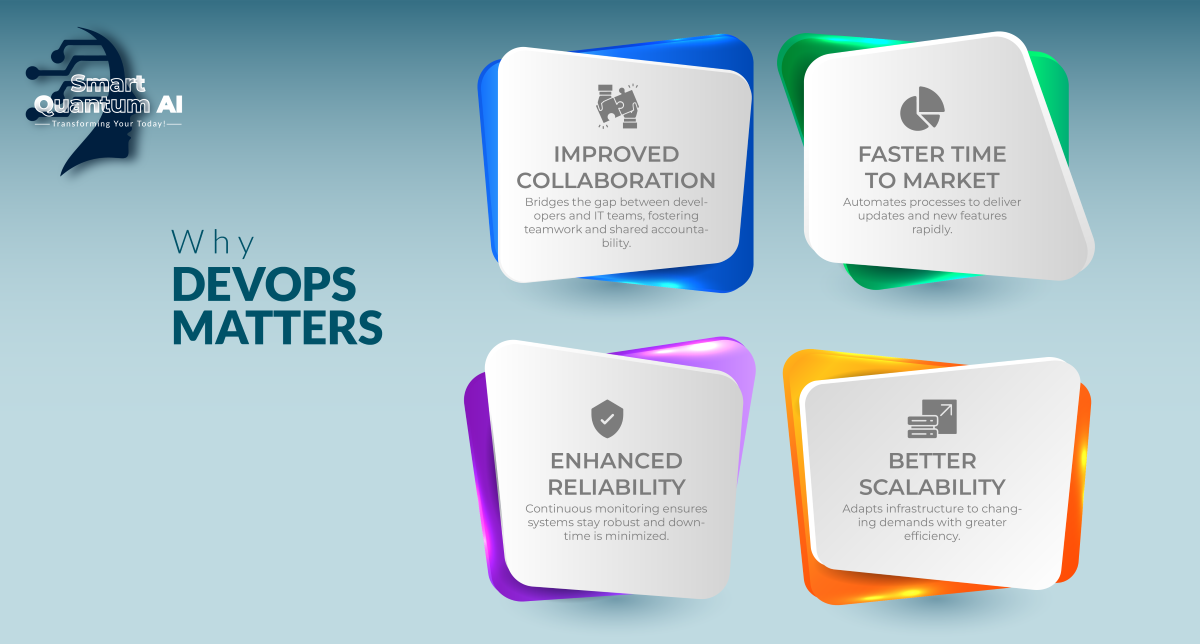
The traditional separation between developers and IT operations teams created a predictable problem. Developers wrote code and handed it over. Operations teams deployed it and managed what broke. When something went wrong — and something always went wrong — the two sides pointed at each other. DevOps closes that gap by treating development and operations as a shared responsibility rather than a relay race. Teams that build software are also accountable for how it runs. That shared accountability changes how people communicate, how problems get surfaced, and how quickly they get resolved.
Shipping Faster Without Cutting Corners
One of the most tangible outcomes of a well-implemented DevOps practice is speed. Not the kind of speed that comes from skipping tests or rushing releases, but the kind that comes from removing the friction that slows teams down. Automated pipelines handle the repetitive work — building, testing, packaging, deploying — so engineers can focus on writing code rather than managing processes. Updates that used to take weeks to reach production can ship in hours. New features reach users faster, feedback comes back sooner, and the gap between what the business needs and what the software does narrows significantly.
Systems That Stay Up
Reliability is not an accident. It is the result of continuous monitoring, automated recovery, and a culture that treats every incident as information rather than just an inconvenience. DevOps practices build this into the development cycle from the start — not as an afterthought once something breaks in production. Monitoring tools track system health in real time. Automated alerts surface issues before users notice them. Post-incident reviews generate improvements rather than blame. The outcome is software that is genuinely more stable, and teams that are better equipped to keep it that way.
Infrastructure That Grows With You
Scaling used to mean expensive hardware decisions made months in advance, often based on guesses about future demand. Modern DevOps practices — particularly when paired with cloud infrastructure — replace that model with something considerably more practical. Systems scale up when demand increases and scale back when it drops. Capacity follows actual usage rather than predicted usage. For businesses growing quickly or operating in markets where demand is unpredictable, this is not a minor operational improvement. It is a structural advantage.
What This Means in Practice
At Smart Quantum AI, we work with businesses that are serious about how their software is built and operated — not just what it looks like on screen. Whether that means introducing DevOps practices into an existing team, building deployment pipelines from scratch, or helping leadership understand what good infrastructure actually looks like at their scale, the goal is always the same: software that ships reliably, runs dependably, and grows without friction.
If your team is spending more time managing deployments than improving the product, that is usually the clearest sign that something in the process needs to change.