There was a time when machine learning was a specialisation — something data scientists handled while developers focused on the application layer. That separation is rapidly disappearing. In 2025, ML literacy is becoming a baseline expectation for developers across the stack, not a bonus credential on a CV.
This shift is not about replacing software engineers with AI. It is about expanding what a developer can build, and how well those products serve the people using them.
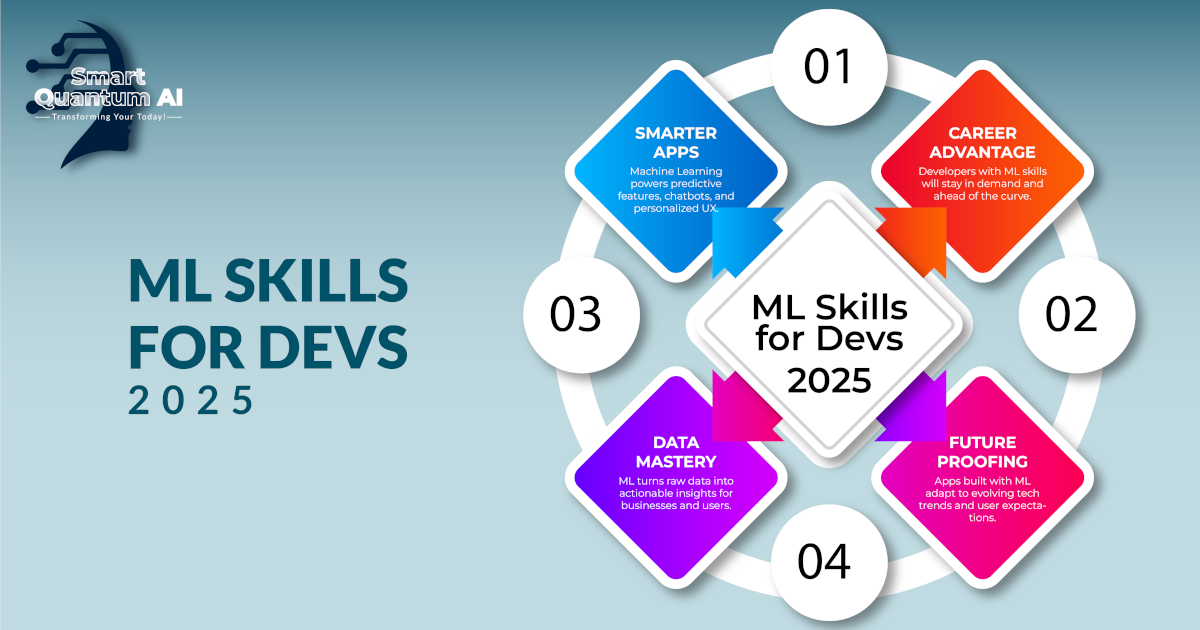
Smarter Applications, by Default
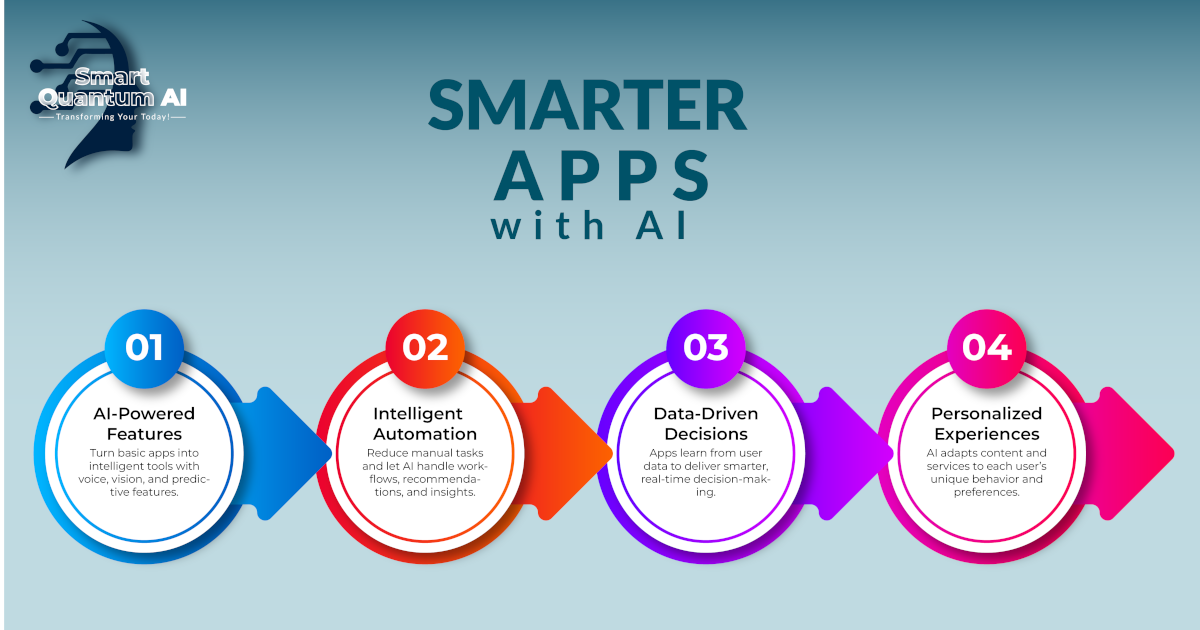
Modern users have been conditioned by apps that remember their preferences, predict their next action, and adapt in real time. Features like personalised recommendations, intelligent search, and context-aware chatbots are no longer considered impressive — they are expected. Machine learning is what makes these experiences possible at scale, and developers who understand how to integrate ML models into their applications are the ones building products that actually retain users.
A Genuine Career Advantage
The demand for developers with ML capabilities has grown consistently over the past few years, and 2025 shows no sign of that slowing. This is not a trend driven by hype — it is being driven by real hiring patterns across product companies, consultancies, and enterprise teams. Knowing how to work with ML pipelines, APIs, and pre-trained models puts a developer in a position most of their peers are not yet in.
Turning Data Into Something Useful
One of the most underrated benefits of ML for developers is what it does with data. Every application generates data — user behaviour, errors, performance metrics, interaction logs. Without the right tools, that data just accumulates. With even a basic understanding of ML, developers can start building systems that extract meaning from that data, surface patterns, and inform product decisions. Businesses benefit directly when their applications move from passively collecting data to actively learning from it.
Building for Where Things Are Going
Technology stacks evolve. User expectations shift. Regulatory environments change. Applications built with adaptability in mind — using ML to adjust to new inputs rather than relying on rigid rules — are simply more durable. Future-proofing is less about predicting the future and more about building systems that do not break the moment conditions change.
Where Smart Quantum AI Comes In
At Smart Quantum AI, we work with businesses that want to move beyond static applications and build products that are genuinely intelligent. Whether that means integrating ML into an existing platform or designing something from the ground up, the goal is always the same — technology that works for the business, not just for the demo.
If that is something you are thinking about, we would be glad to have that conversation.